Best Kitchen Flooring Options: An Honest Comparison
For most busy kitchens, the best flooring is either luxury vinyl plank (LVP) or porcelain tile. Both handle spills, dropped pans, and muddy boots far better than most floors, and both come in convincing wood and stone looks. LVP is usually the more budget-friendly and more comfortable underfoot. Porcelain is harder, longer lasting, and more heat and scratch proof, but it is cold and unforgiving when you drop a glass.
Hardwood and engineered hardwood can absolutely work in a kitchen if you accept some wear and wipe up water promptly. Newer water-resistant laminate has also become a real contender. Natural stone, sheet vinyl, cork, and concrete each fit specific situations.
Below we compare each option on look, water resistance, durability, comfort, maintenance, relative cost, and DIY friendliness, then walk through how to choose based on your household. This is the same conversation we have with homeowners in Ottawa, Olathe, and across Franklin and Johnson counties before we order a single box.
Key takeaways
- LVP (especially rigid core) is the best all-around value for most kitchens: waterproof planks, comfortable, and DIY friendly.
- Porcelain tile is the most durable and water-tolerant choice, with harder, colder footing.
- Hardwood brings warmth and resale appeal but needs care around the sink and dishwasher. Engineered wood handles Kansas humidity swings better than solid.
- Water-resistant laminate is scratch tough and budget friendly, but check how the product handles standing water.
- Choose by household: pets, kids, aging in place, and open floor plans all change the right answer.
Luxury vinyl plank and tile (LVP and LVT)
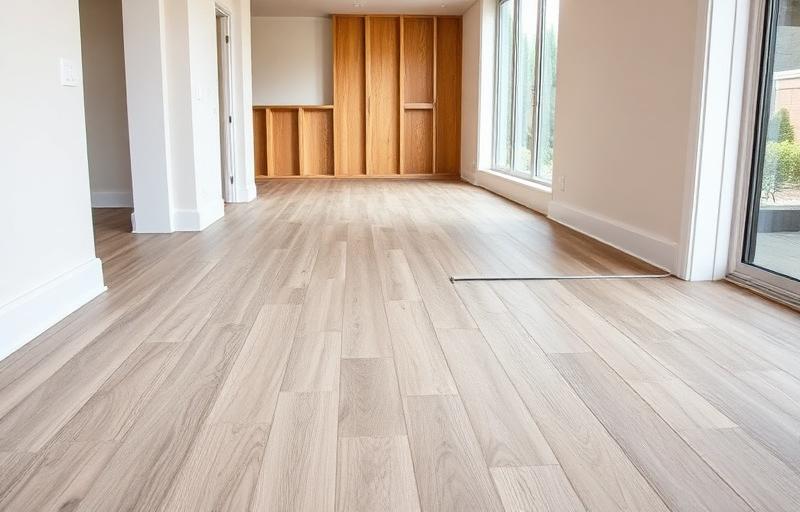
Luxury vinyl is the most common floor we install in kitchens right now, and for good reason. It comes in planks (LVP) that look like wood and tiles (LVT) that look like stone or ceramic.
Rigid core vs flexible vinyl
Rigid core vinyl (often labeled SPC or WPC) has a stiff core that bridges minor subfloor imperfections and usually installs as a click-lock floating floor. Flexible luxury vinyl is thinner and is usually glued down. It needs a very smooth subfloor, but it is quieter and very stable once bonded. For most remodels, rigid core is the easier and more forgiving choice.
- Look: realistic wood and stone visuals, with embossed texture on better products.
- Water resistance: the planks themselves are typically waterproof, though water can still get under seams at the edges.
- Durability: resists scratches and dents well; heavy appliances dragged across it can still gouge the wear layer.
- Comfort: warmer and softer underfoot than tile, especially with an attached pad.
- Maintenance: sweep and damp mop; no sealing.
- Relative cost: usually among the most budget-friendly options once installation is included.
- DIY friendliness: high for click-lock, provided the subfloor is flat. Our guide on how to install vinyl plank flooring covers the details.
Porcelain and ceramic tile
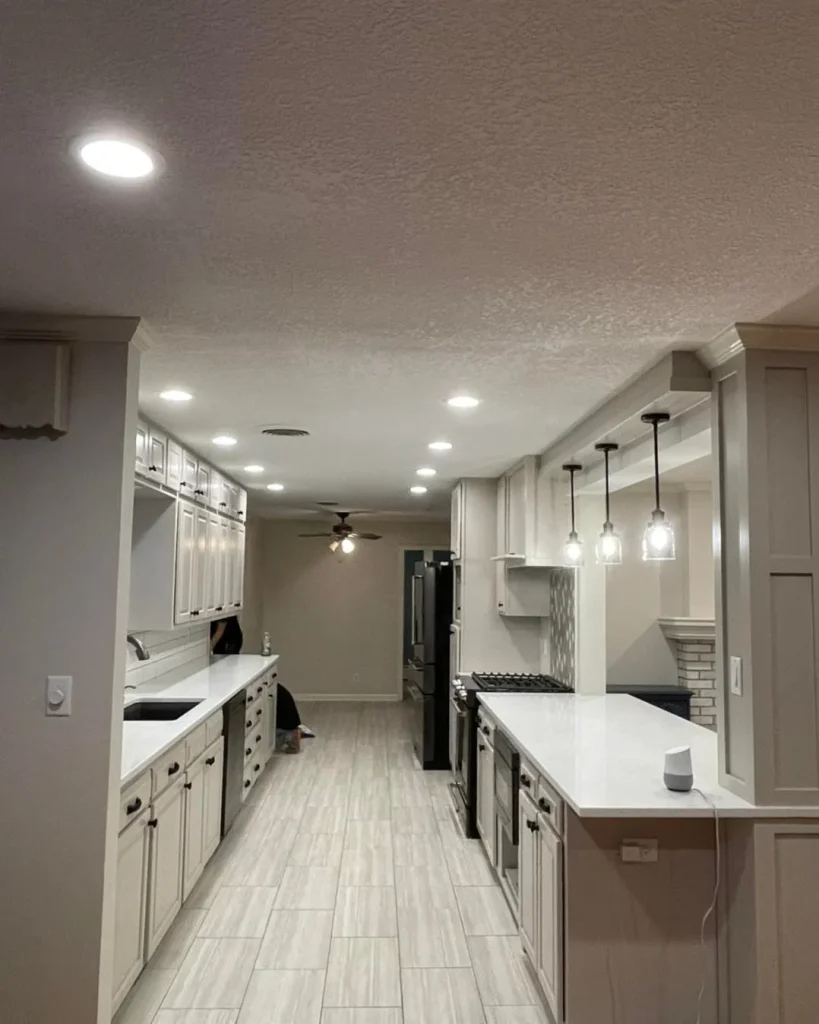
Tile has been a kitchen standard for decades. Porcelain is denser and absorbs less water than ceramic, which makes it the better pick for floors. Wood-look porcelain planks have gotten very good and are a solid choice where you want the wood look with near-bulletproof performance.
- Look: the widest range of styles, sizes, and patterns, from classic to large-format stone looks.
- Water resistance: excellent. Grout is the weak spot, so consider sealing cement grout or choosing a stain-resistant grout.
- Durability: very high. Individual tiles can crack if something heavy drops, and replacement is fussy.
- Comfort: hard and cold underfoot; dropped dishes usually break. Radiant floor heat helps.
- Maintenance: easy on the tile, periodic attention to grout.
- Relative cost: usually mid-range for the material, with installation labor adding meaningfully.
- DIY friendliness: moderate to low. Layout, flatness, and setting large tiles take skill.
Hardwood and engineered hardwood
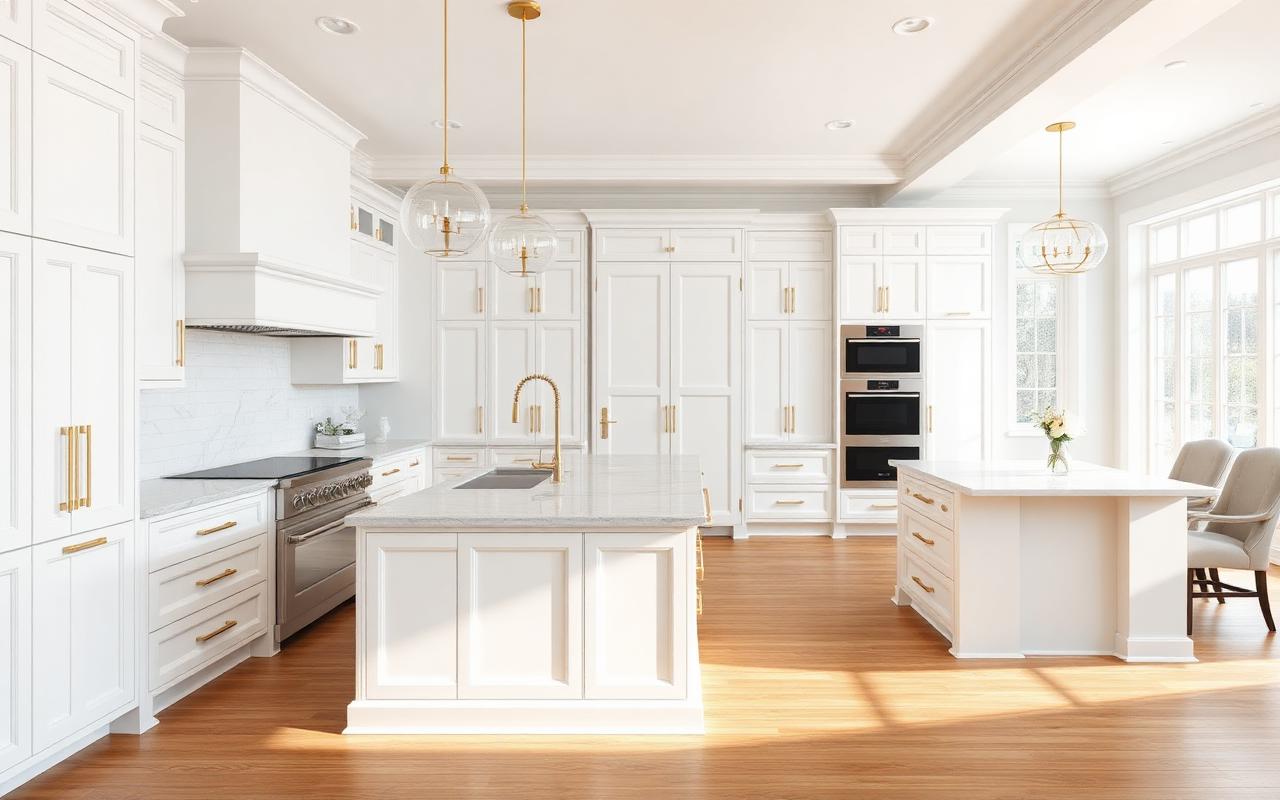
Wood is warm, classic, and flows naturally into living spaces. Solid hardwood can be sanded and refinished several times. Engineered hardwood has a real wood top layer over a plywood or composite base, which makes it more dimensionally stable when humidity changes.
- Look: real wood grain that ages with character. White oak is a popular, durable choice.
- Water resistance: the weakest of the group. Standing water, a slow dishwasher leak, or a pet water bowl can cup or stain boards.
- Durability: will scratch and dent over time. Harder species and matte finishes hide wear better.
- Comfort: comfortable and warmer than tile.
- Maintenance: wipe spills promptly, use rugs at the sink, and plan on periodic recoating.
- Relative cost: usually on the higher end, especially site-finished solid wood.
- DIY friendliness: moderate for click engineered products, low for nail-down solid wood that needs finishing.
Laminate, including water-resistant laminate
Laminate is a photographic layer over a fiberboard core, topped with a tough wear layer. Older laminate swelled at the edges when it got wet, which gave it a bad reputation in kitchens. Newer water-resistant laminates use tighter joints, sealed edges, and treated cores, and some are rated to handle standing water for a period of time.
- Look: realistic wood visuals with crisp detail.
- Water resistance: varies widely. Read the product's rating for standing water, not just the marketing.
- Durability: often the most scratch resistant surface in this list, which is a big deal with dogs.
- Comfort: firm but not as hard as tile; can sound hollow without good underlayment.
- Maintenance: dry or lightly damp cleaning; never wet mop.
- Relative cost: usually among the most budget-friendly.
- DIY friendliness: high, with click-lock installation.
Natural stone
Slate, travertine, limestone, and marble bring unique texture and color no manufactured product quite matches. Stone is heavy and durable, but it is porous and needs sealing. Polished marble etches from acidic spills like lemon juice or tomato sauce, so honed or textured finishes are more practical in a kitchen. It is usually on the higher end for material and labor, and it is not a DIY floor.
Sheet vinyl
Sheet vinyl comes in wide rolls with few or no seams, which makes it very water resistant. It is usually the most budget-friendly option on this list and is softer underfoot than tile. The tradeoff is that it looks less premium, can tear or dent, and is hard to patch. It still makes sense for rentals, utility kitchens, and tight budgets.
Cork, bamboo, and concrete
Cork is soft, warm, and quiet, and it is easy on joints for cooks who stand a lot. It needs sealing and can dent under appliance feet. Strand-woven bamboo is harder than many woods but behaves like wood around water. Polished concrete makes sense in slab homes and basement kitchens with a modern look. It is extremely durable but hard and cold, and a crack in the slab becomes a crack in the floor.
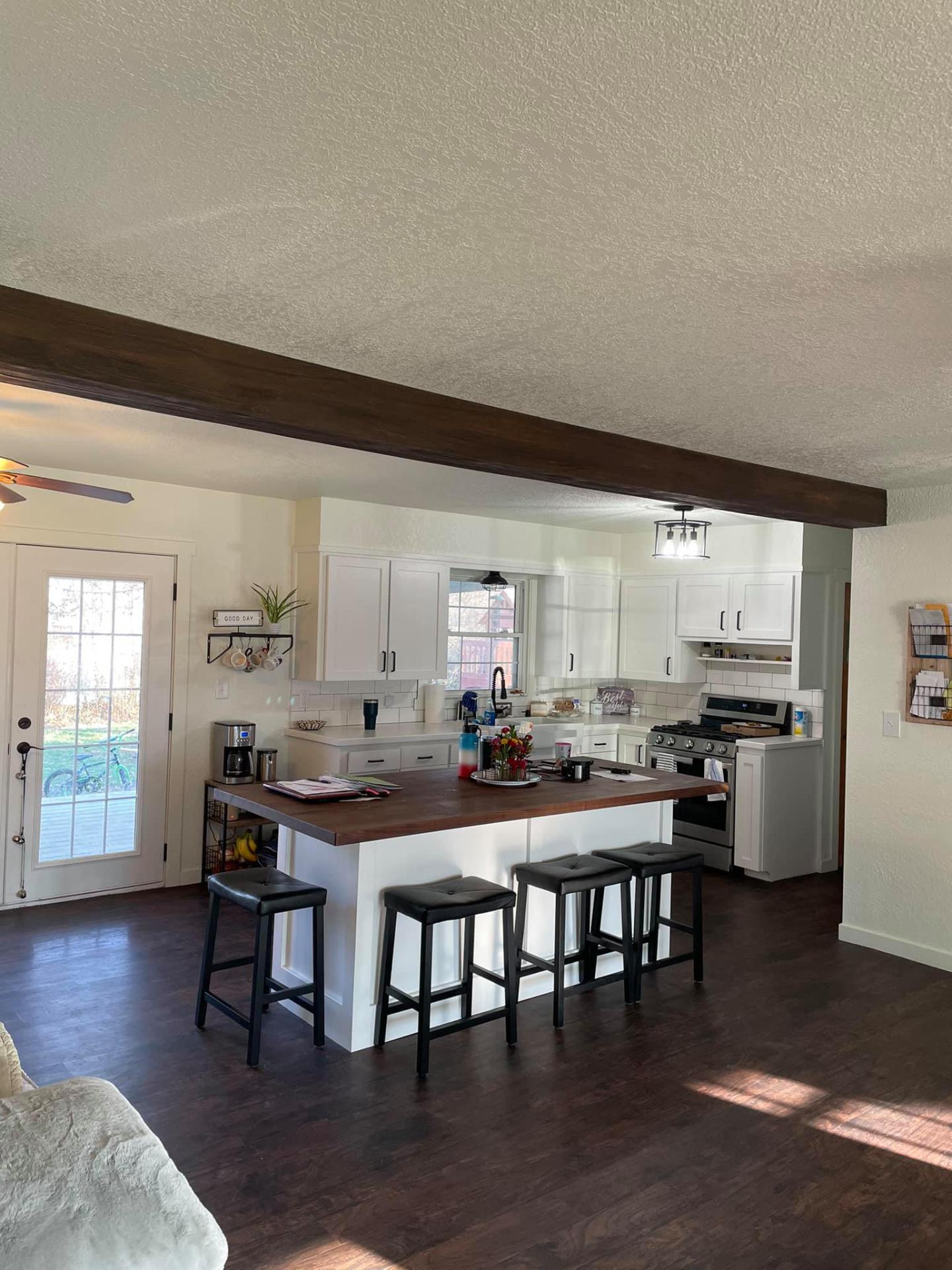
Quick compare
Best for water resistance
- Porcelain tile
- Luxury vinyl (rigid core or glue-down)
- Sheet vinyl
- Water-resistant laminate (check the rating)
Best for scratch resistance
- Porcelain tile
- Laminate
- Rigid core LVP with a thick wear layer
Most comfortable underfoot
- Cork
- LVP with an attached pad
- Hardwood and engineered hardwood
Most budget-friendly
- Sheet vinyl
- Laminate
- LVP
Usually on the higher end
- Natural stone
- Solid hardwood
- Large-format porcelain with complex layouts
Most DIY friendly
- Click-lock LVP
- Click-lock laminate
- Click engineered hardwood
How to choose kitchen flooring for your household
Kids and pets
Spills, claws, and toy trucks favor LVP, laminate, or porcelain. Laminate and tile resist scratches best. LVP is a close second and quieter under running paws. For dogs, a matte finish and a wood-look with some grain variation hides the most wear.
Aging in place and slip resistance
Look for a textured or matte surface and ask about slip resistance ratings for wet conditions. Softer floors like LVP and cork are easier on joints and more forgiving in a fall than tile. Keep transitions flush so there are no trip edges. Our article on universal design kitchens for aging in place goes deeper.
Open floor plans
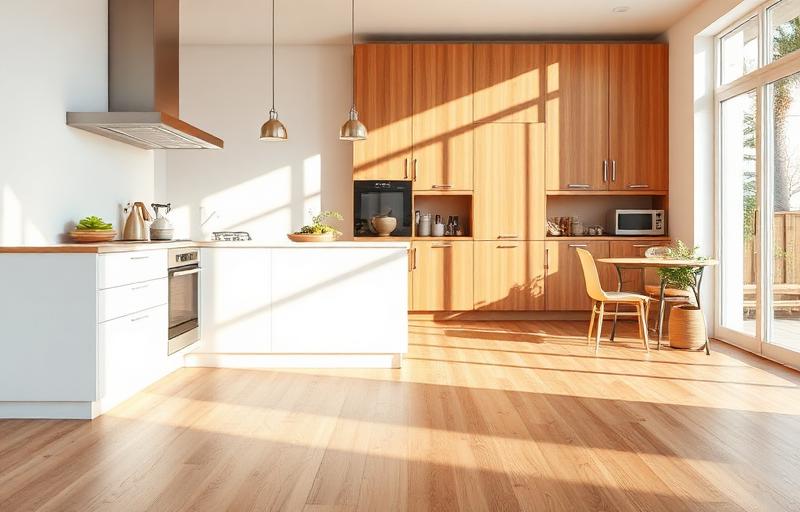
When the kitchen flows into the living and dining areas, running one continuous floor makes the space feel larger and avoids awkward transitions. That favors LVP, laminate, or engineered wood, which feel natural in a living room. Floating floors over large open areas may need expansion breaks, so plan where those land.
Resale
Buyers respond well to real wood and quality tile, but a well-installed, good-looking LVP is widely accepted today. What hurts resale more is a floor that is worn, mismatched from room to room, or clearly cheap. Consistency and condition matter more than the specific material.
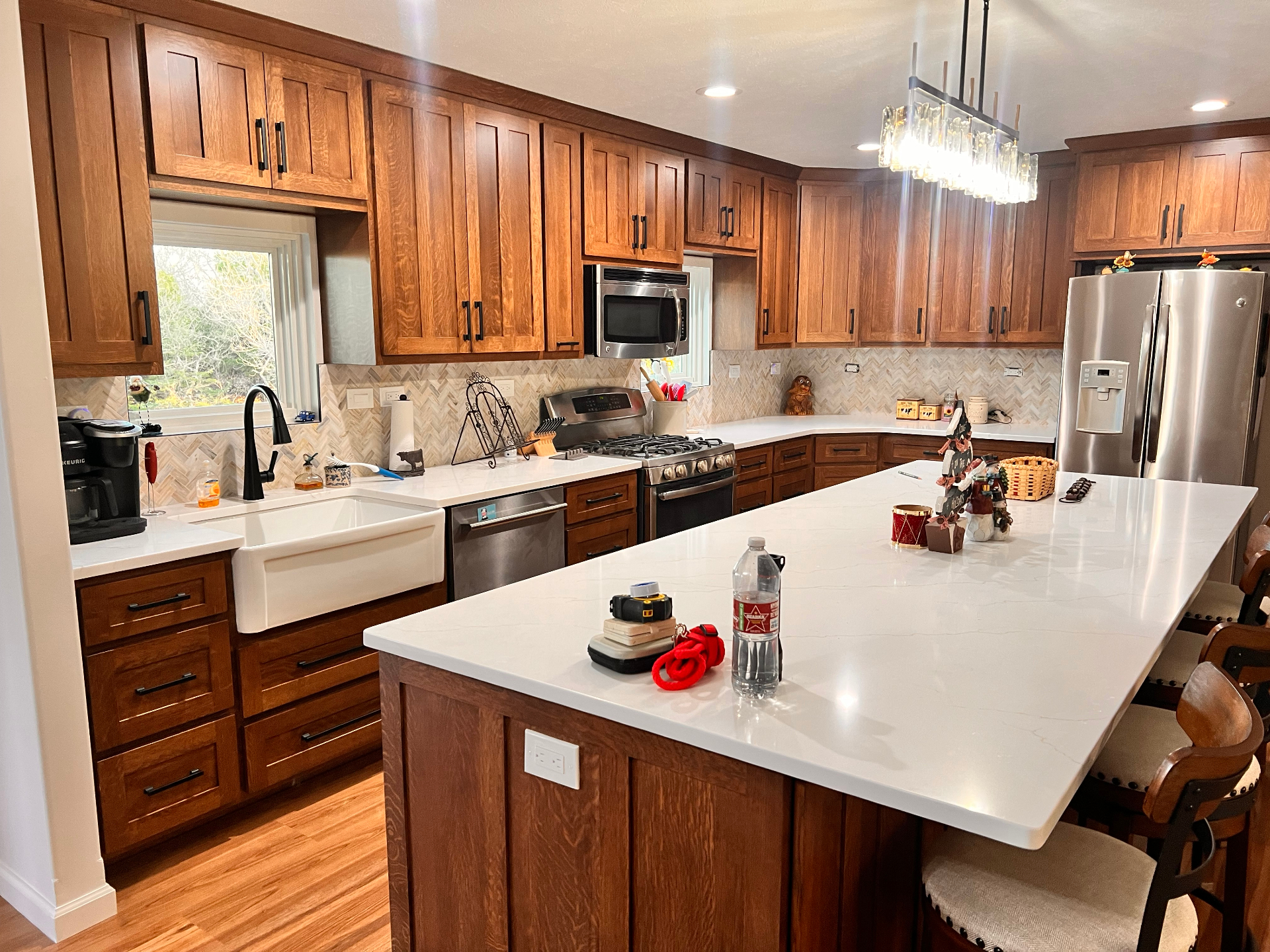
Do cabinets go in before or after the flooring?
It depends on the floor. Tile and nail-down hardwood can run under cabinets, which makes future layout changes easier. Floating floors like click-lock LVP and laminate generally should not be pinned under heavy cabinets or islands, because the floor needs room to move. In that case, cabinets go in first and the floor runs up to them with an expansion gap hidden by toe kick trim.
Either way, plan for appliance heights. The dishwasher and range need to slide out over the finished floor, so the floor or a shim has to account for that space. This sequencing is part of why flooring decisions belong early in kitchen planning, which we cover in our kitchen remodeling guide and kitchen remodel checklist.
Kansas notes: slabs, basements, and humidity
Local note
Kansas swings from dry heated winters to humid summers, and wood floors expand and contract with it. Engineered hardwood and vinyl handle those swings better than solid wood. On slab homes and in basement kitchens around Ottawa and Franklin County, moisture test the concrete before installing anything, and choose a floor rated for below-grade use.
Many older Ottawa homes also have out-of-flat or layered subfloors that need attention before any new floor goes down. That prep is often where costs climb, so it helps to know early. Our breakdown of what drives kitchen renovation costs explains where flooring fits in the budget.
Frequently Asked Questions
What is the best flooring for a kitchen?
For most households, rigid core luxury vinyl plank or porcelain tile. LVP is more comfortable, quieter, and usually more budget-friendly, while porcelain is the most durable and water tolerant. The right pick depends on pets, kids, how the kitchen connects to other rooms, and your budget.
Is LVP or tile better for a kitchen?
Tile is harder, more scratch and heat proof, and lasts the longest, but it is cold, hard on feet, and breaks dropped dishes. LVP is waterproof, warmer, softer, and easier to install, though it can dent or scratch under heavy abuse. Many families pick LVP for comfort and tile when they want maximum durability.
Is hardwood a good idea in a kitchen?
It can be, if you are comfortable with some wear and wipe up water quickly. Engineered hardwood handles humidity changes better than solid wood, and a matte finish hides scratches. Use rugs at the sink and dishwasher, and fix any leaks promptly.
What kitchen flooring is best with dogs?
Laminate and porcelain tile resist claw scratches best, and rigid core LVP is a close second that is quieter and softer. Pick a matte, textured finish with grain variation to hide wear. Watch water bowls, especially on wood or laminate.
Should flooring go under kitchen cabinets?
Tile and nail-down hardwood can go under cabinets. Floating floors like click-lock LVP and laminate usually should not be pinned under cabinets or islands, so they are installed after cabinets with an expansion gap at the base. Always check your product's installation instructions.
Flooring is one of many decisions in a kitchen remodel, and it goes better when it is planned alongside cabinets, appliances, and layout. If you are in Olathe, our kitchen remodeling in Olathe, KS page shows how we work in Johnson County. Wherever you are in our area, start a conversation and we will help you weigh the options for how your household actually uses the kitchen.
Planning this project? See our kitchen remodeling services
Ready To Start Your Project?
No pressure, just an honest conversation about your home.
Let's Start A Conversation