The House That Raised You (and Can Still Take Care of You): A Series on Aging in Place
Part 1 of our series on renovations that let people stay home.
There is a moment in most families when the family home stops being just a house.
It might be the kitchen where three generations of Thanksgiving dinners have happened. It might be the yard where the grandchildren learned to ride bikes. It might be the porch where your mother has had her morning coffee for the last thirty-five years. Whatever it is, the house has become something more than square footage. It is memory, identity, comfort, routine, and independence all tied up in one physical place.
When the people who live in that house start to age, the question of whether they can stay becomes one of the most important questions a family can face.
The Aging in Place Reality
Across Franklin County, Miami County, and communities throughout eastern Kansas, an increasing number of families are having a version of the same conversation.
Mom or Dad is getting older. The stairs are getting harder. The bathtub is getting more dangerous. The two-story house that was perfect for raising four kids is not as practical when it takes ten minutes to get from the bedroom to the kitchen. The independence that has been central to their identity for eighty years is starting to feel more fragile than it should.
The families having this conversation are, overwhelmingly, choosing a path that would have been rare a generation ago. They are choosing to keep their parents at home. They are choosing renovation over relocation.
There are practical reasons for this. Assisted living costs are staggering. Nursing homes are often not what families want for people they love. Waitlists are long and options are limited, especially in rural and semi-rural communities. But the deeper reason is emotional. People want to stay in the house they built their life in. Their families want them to be able to.
Aging in place is the term for that choice. Thoughtful renovation is what makes it possible.
What This Series Will Cover
Over the next several posts, we are going to walk through the renovations that make aging in place a realistic and dignified path for the people in your family. The goal is straightforward: help you understand what is possible, what tends to work, and how to think about the decisions that will shape someone's daily life for the years to come.
Here is what we will explore:
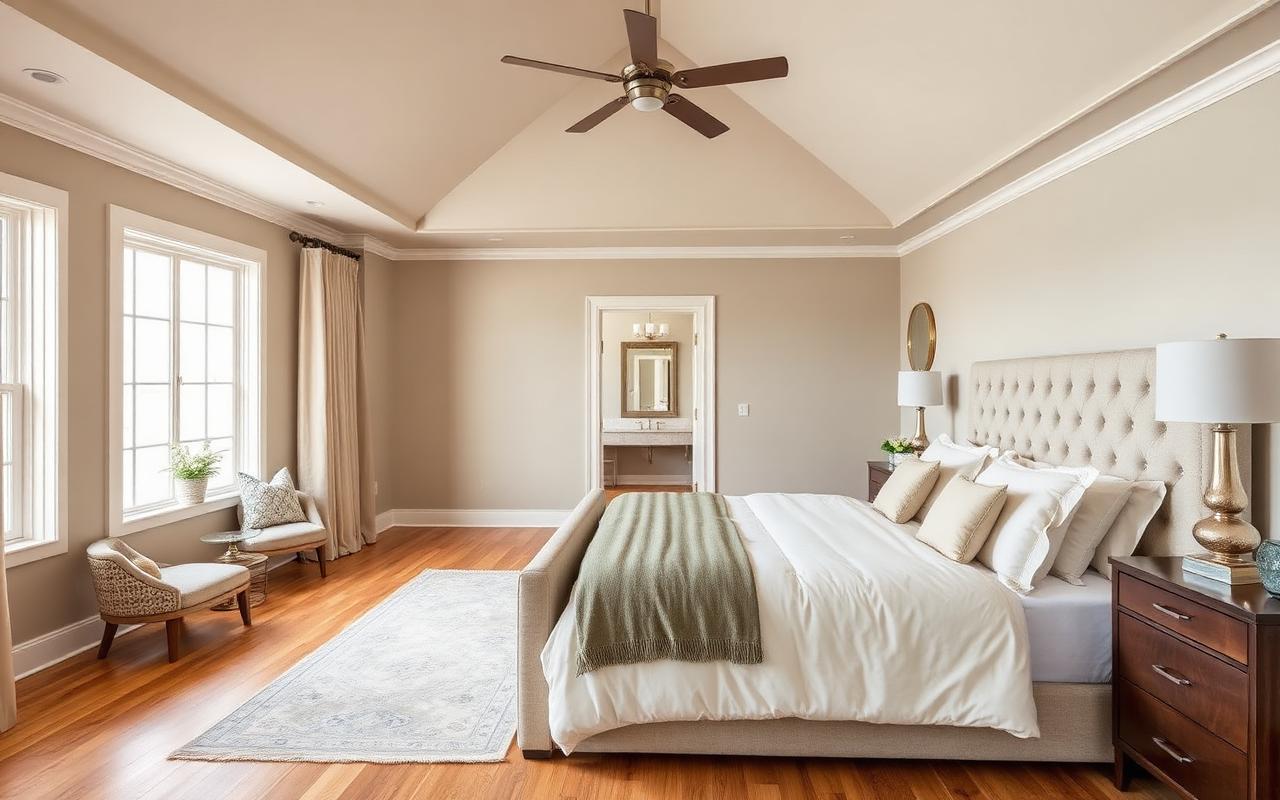
First-Floor Primary Suites. The single most impactful renovation for aging in place is bringing the primary bedroom and bathroom to the ground floor. We will look at additions, conversions, and layouts that eliminate the stairs problem before it becomes a crisis.
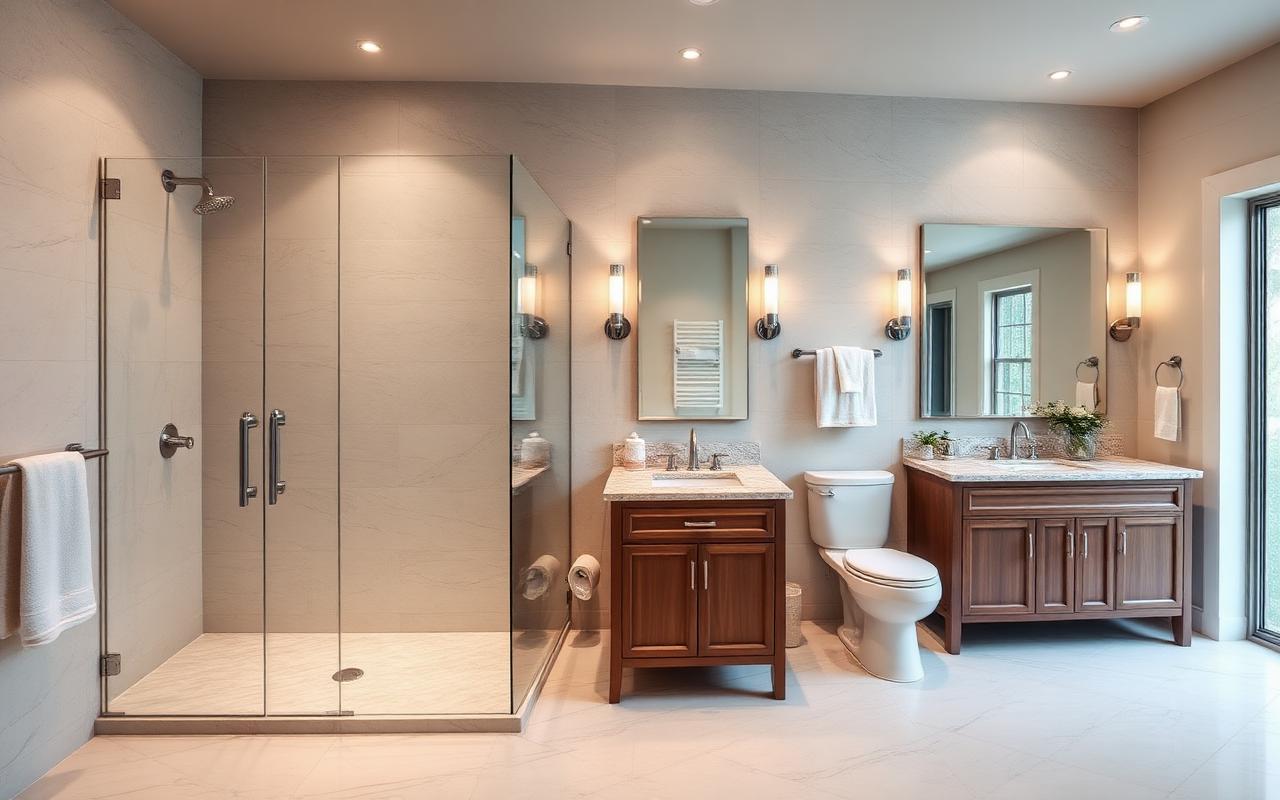
Accessible Bathrooms. The bathroom is where the most falls happen, and it is also where the biggest quality-of-life gains come from thoughtful renovation. Zero-threshold showers, grab bars designed as part of the space, and features that stay beautiful while working for aging bodies.
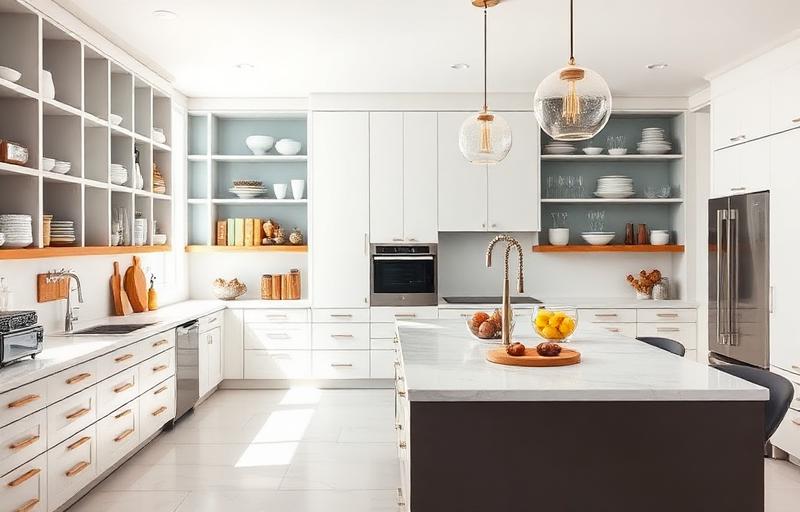
Kitchen and Daily-Living Modifications. The kitchen, hallways, doorways, and everyday transitions between rooms are where independence gets tested. Small design decisions can make an enormous difference.
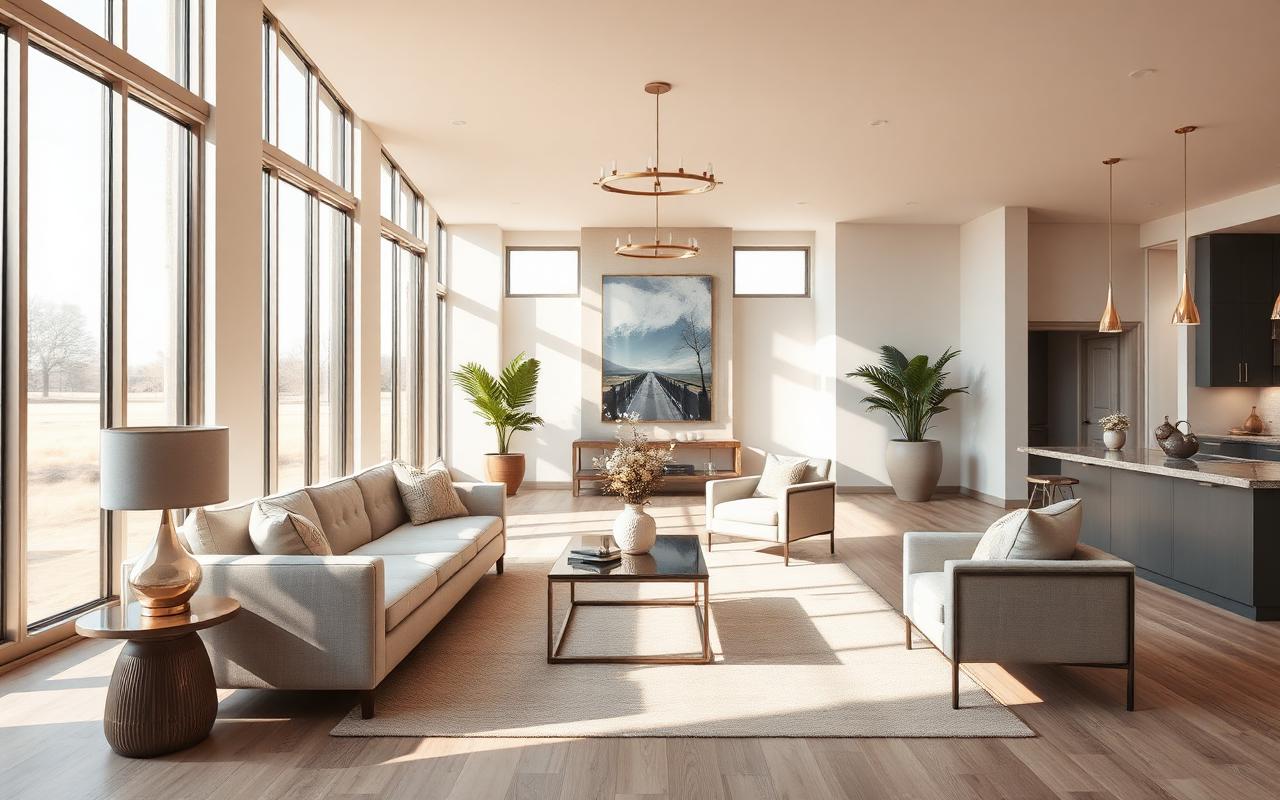
Universal Design. The philosophy behind the best aging-in-place renovations is that they work for everyone, at every age. We will look at how this approach protects independence, preserves dignity, and adds real value to your home for any future owner.
Why Renovation Beats the Alternatives
Families weighing options for aging parents (or planning ahead for themselves) usually have a few paths on the table. Renovation is not always the right one, but for most families it is the best one, and it is worth understanding why.
Assisted living and nursing homes solve some problems and create others. The care is professional and the environment is designed for safety. But the cost is significant and often unpredictable, the loss of independence can accelerate cognitive and physical decline, and the emotional cost of leaving the family home is real. For many families, these facilities are the right answer eventually, but not yet, and not soon.
Moving Mom and Dad into your house is the other common path. This can work beautifully with the right renovations, which is territory our multigenerational living series covered in depth. But it also means uprooting your parents from the community they know, the neighbors they have relied on, the church they attend, the doctors they trust. For some families this is the right call. For others, it is a solution that creates as many problems as it solves.
Renovating the family home addresses the actual issue. It keeps your parents where they want to be, in the community that supports them, in the routines that anchor them. It preserves the independence that is central to their identity. And it turns out to be a strong long-term financial decision too. A home renovated with universal design principles is more marketable, not less, to future buyers of any age.
What "Aging in Place" Actually Requires
Aging in place is not a single renovation. It is a set of design choices that together make a home safe, functional, and comfortable for someone whose physical needs will change over time.
The right combination depends on the person and the house. Some families need to move everything to one floor. Others just need to make the existing single-floor layout work better. Some need to plan for a wheelchair. Others need to plan for reduced grip strength, slower reflexes, or the reality that a bathtub is not a good place to be at eighty-two.
What every aging-in-place renovation has in common is that it is proactive rather than reactive. The best time to make these changes is before they are urgent, when the person living in the house can weigh in on decisions, when there is no crisis forcing a rushed timeline, and when the renovations can be done thoughtfully rather than emergency-installed.
The Conversation to Have
If there is one thing we wish more families would do, it is have the conversation earlier than they think they need to.
The conversation is not about telling Mom and Dad they need to change. It is about asking them what they want the next chapter to look like, and what would make staying home realistic. It is about listening for the small frustrations that have not yet become big ones. It is about noticing which parts of the house are working and which are already becoming obstacles.
The best aging-in-place renovations we do are the ones that happen when the person living in the house is a full partner in the design. They know what bothers them. They know what they can no longer do easily. They know what would matter most to them if they had the choice.
Ask them.
Coming Up Next
In Part 2 of this series, we will dig into the single most impactful aging-in-place renovation: bringing the primary bedroom and bathroom to the ground floor. We will cover additions, conversions, and what a well-designed first-floor primary suite includes.
If you are already having this conversation in your family, whether about a parent or about your own future, we would be glad to be part of it. Start a Conversation with our team to schedule a no-pressure consultation.
Harshaw Home Renovators (License GEN-000052-2019) is a residential remodeling contractor serving Ottawa, KS, Franklin County, Miami County, and surrounding communities. We specialize in renovations that let people stay in the homes they love, at any age and any stage of life.
Ready To Start Your Project?
No pressure, just an honest conversation about your home.
Let's Start A Conversation