Ceramic vs. Porcelain Tile for Showers and Bathroom Floors
For a shower, either ceramic or porcelain tile works on the walls, because the waterproofing behind the tile is what keeps water out of your house, not the tile itself. For bathroom floors and shower floors, porcelain is the safer pick. It is denser, absorbs less water, resists wear and chipping better, and is available in more slip-resistant finishes.
That is the short answer to 'ceramic or porcelain tile for a shower.' The longer answer is that both are good products, and the choice often comes down to where the tile goes, what size and finish you want, and how the walls and floor are built underneath. A well-built shower with ceramic wall tile will outlast a poorly built one with the most expensive porcelain on the market.
Below we explain how each tile is made, how they compare on durability, water absorption and slip resistance, where each belongs in a bathroom, how installation differs, and the parts of a tile job that matter more than the tile you pick.
Key takeaways
- Shower walls: ceramic or porcelain both work. The waterproofing membrane behind the tile does the real work.
- Bathroom floors and shower floors: porcelain is the safer choice for durability and water resistance.
- Shower floors: small mosaics give more grip and follow the slope to the drain.
- Porcelain is harder to cut, and large-format tile needs flatter walls and floors.
- Ceramic is usually the more budget-friendly material; porcelain often costs more to buy and install.
How ceramic and porcelain tile are made
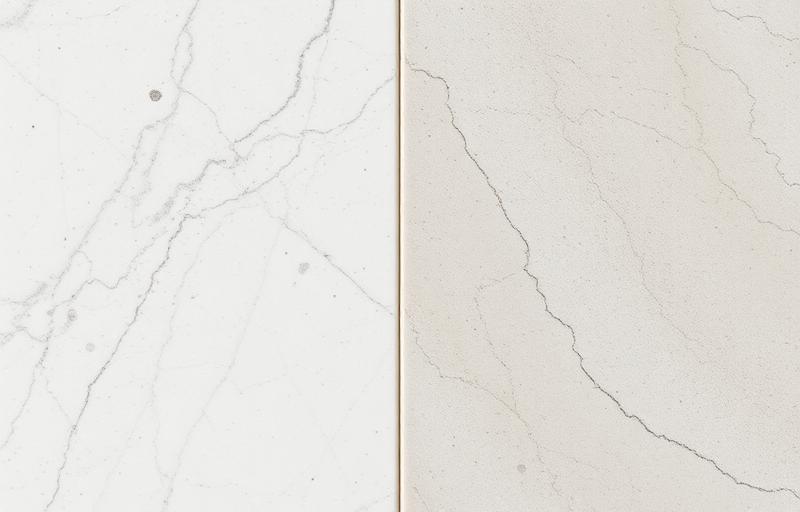
Both start as clay that is pressed into shape and fired in a kiln. The difference is in the ingredients and the heat. Ceramic tile uses a coarser clay body and is fired at lower temperatures, which leaves it lighter, softer and a bit more porous. Most ceramic tile has a glaze on top that provides the color and the water resistance at the surface.
Porcelain uses a more refined clay with more feldspar and silica, pressed harder and fired hotter. The result is a denser, harder tile that absorbs very little water. In fact, the industry defines porcelain by water absorption: a tile has to test below a very low water absorption threshold set by industry standards to be sold as porcelain. Ceramic tiles absorb more than that, which is why many are rated for walls or light-duty floors only.
Through-body vs. glazed porcelain
Glazed porcelain has a printed or colored glaze over the porcelain body. It is the most common type and comes in wood looks, stone looks and solid colors. If a glazed porcelain tile chips, the lighter body color can show underneath.
Through-body (sometimes called full-body) porcelain has the same color all the way through, so a chip is much less noticeable. Color-body porcelain is in between, with a body tinted close to the glaze. Through-body tiles are a good fit for high-traffic floors, though they tend to have simpler looks.
Durability, wear and slip resistance
Wear ratings (PEI)
Glazed tiles carry a wear rating, often called a PEI rating, that tells you how well the surface stands up to foot traffic. Lower classes are meant for walls or very light floor use. Middle classes suit residential floors, including bathrooms. Higher classes are built for heavy residential and commercial traffic. Many ceramic tiles fall in the wall or light-floor range, while most porcelain floor tiles land in the middle or higher.
Slip resistance (DCOF)
Slip resistance is measured with a test called dynamic coefficient of friction, or DCOF. You do not need to memorize the scale. What matters is that the tile is rated for wet interior floors if it is going on a bathroom floor or a shower floor. The manufacturer's spec sheet will say so, and we check it before anything gets ordered.
Finish matters as much as material. Polished and high-gloss tiles look great on walls but get slick underfoot when wet. Matte, textured and honed finishes give better grip. On a shower floor, smaller tile helps too, because every grout line adds traction.
Where each tile works best
Shower walls
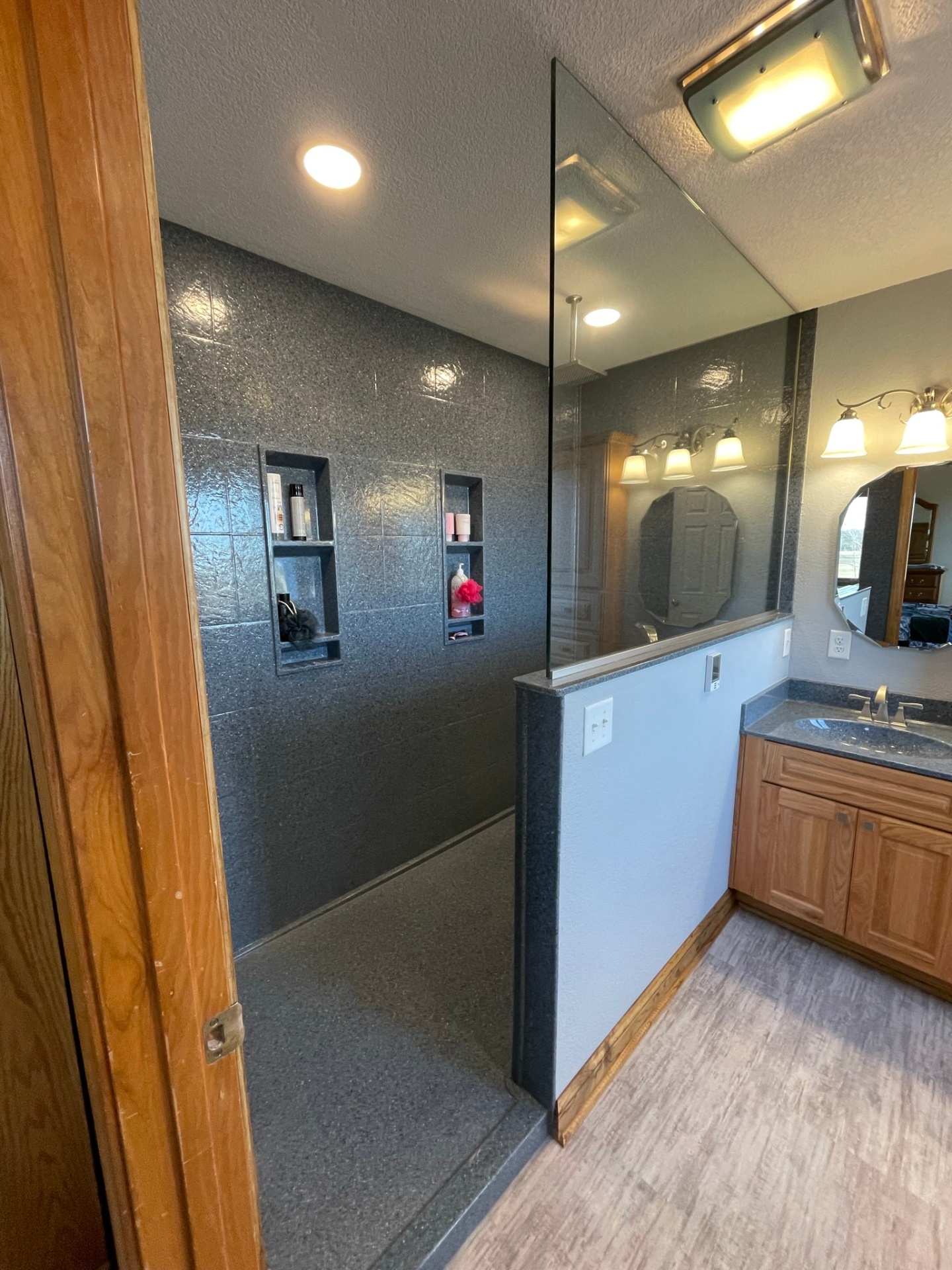
Ceramic and porcelain both work well on shower walls. Walls do not take foot traffic, so wear ratings matter less. Ceramic is lighter, easier to cut around niches and valves, and comes in lots of glossy subway and handmade looks. Porcelain gives you large-format panels with fewer grout lines, which many people like for easier cleaning.
Bathroom floors
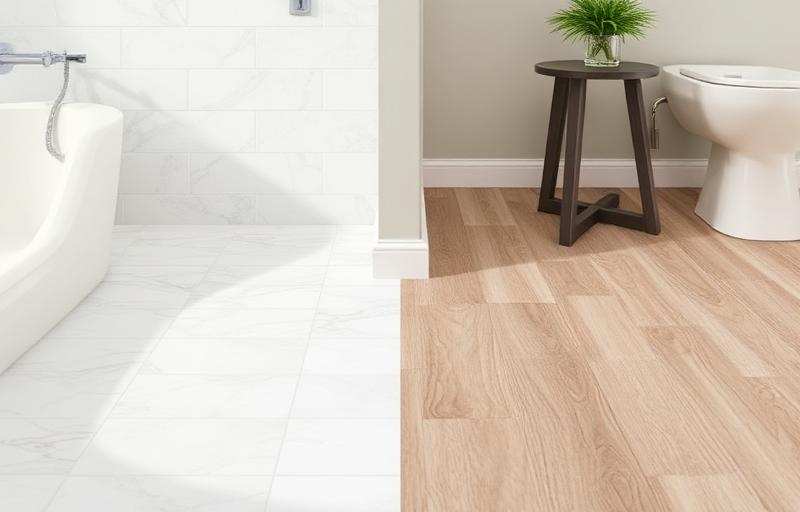
Is porcelain tile good for bathroom floors? Yes, it is usually the best tile choice for them. It resists scratches, chips and water, and wood-look porcelain gives you the look of hardwood without worrying about water at the tub or toilet. A floor-rated ceramic tile can work in a lightly used guest bath, but porcelain is the more forgiving choice in a busy family bathroom. If you are also weighing vinyl, our comparison of tile vs. LVT for bathroom floors covers that decision.
Shower floors
Shower floors slope toward the drain, so small tiles work best. Mosaics in the two-inch range or smaller can follow the slope without lippage, and the extra grout lines add grip. Porcelain mosaics are our usual pick. Large-format tile can work on a shower floor with a linear drain, which lets the floor slope in one direction instead of four.
Cutting and installation differences
Porcelain is harder, so it is tougher to cut. It takes a good wet saw and diamond blades, and cutting holes for valves and shower heads takes more time. Ceramic cuts and snaps more easily, which is part of why it has long been a favorite for walls with lots of detail.
Large-format porcelain, meaning tiles with any side 15 inches or longer, is also heavier and less forgiving. Walls and floors need to be flatter than they would for small tile, or you get lippage where one tile edge sits higher than the next. In older Ottawa homes we often find walls and floors that are out of plane by more than you would guess, so we plan time to flatten them before large tile goes up. Large-format tile also needs the right mortar and full coverage underneath to avoid hollow spots.
Heated floors pair well with either tile, since tile conducts heat nicely. If you are considering one, our post on heated bathroom floor costs explains what is involved.
Cost, in plain terms
Ceramic is usually the more budget-friendly material, and it is quicker to cut and install. Porcelain generally costs more per square foot, and installation often costs more too because of harder cuts, heavier tile and the extra prep large formats need. Wide price ranges exist within both categories, so a basic porcelain can cost less than a handmade ceramic.
The bigger cost drivers on a tile job are usually tile size, pattern and how much area you cover. Floor-to-ceiling tile, herringbone layouts and small mosaics all add labor no matter which material you choose.
What matters more than the tile
Tile and grout are not waterproof on their own. Grout is porous, and water gets behind any tile over time. What keeps your walls and subfloor dry is the system behind the tile.
- Waterproofing membranes. A sheet or liquid-applied membrane over the backer board on shower walls and floor, tied into the drain, is what actually stops water. We flood test shower pans before tile.
- Proper slope. The shower floor needs to slope evenly to the drain so water never sits.
- Grout choice. Standard cement grout needs sealing. Urethane and epoxy grouts resist stains and do not need sealing, which is worth considering on shower floors.
- Movement joints. Flexible caulk at inside corners and changes of plane lets the tile move without cracking.
- Ventilation. Humid Kansas summers and steamy showers both call for an exhaust fan vented outside, not into the attic.
Get those right and either tile will last. Skip them and no tile will save the wall. That is one reason we spend so much time on prep, and why our low-maintenance bathroom design tips start with the shower system before the finishes.
Local note
Basement bathrooms in eastern Kansas often sit on slabs that see some moisture. Porcelain floor tile set over an uncoupling membrane handles that well, and it does not mind the damp the way some other floors do.
Our usual recommendation
- Shower walls: ceramic or porcelain, chosen by look and size.
- Shower floor: porcelain mosaic, matte or textured, rated for wet areas.
- Bathroom floor: porcelain, often a wood look or a large matte tile.
- Accent walls and niches: whatever you love, including decorative ceramic.
If you are still deciding what kind of shower to build, our comparison of walk-in showers vs. tub-shower combos is a good next read.
Frequently Asked Questions
Ceramic vs. porcelain tiles for a shower: which is better?
On shower walls, either works well, because the waterproofing membrane behind the tile keeps water out. On the shower floor, porcelain is the safer pick because it absorbs less water and holds up better to foot traffic. Choose a matte or textured porcelain mosaic for grip.
Should I use porcelain or ceramic tiles for a bathroom?
Many bathrooms use both: porcelain on the floor and in the shower pan, and ceramic or porcelain on the walls. Porcelain is more durable underfoot, while ceramic is lighter, easier to cut and often more budget-friendly for walls.
What is the best tile for shower walls, ceramic or porcelain?
Both are good choices for shower walls. Ceramic is easier to cut and comes in many glossy and handmade styles, while large-format porcelain gives you fewer grout lines. The quality of the waterproofing and installation matters more than the tile type.
Which tile is better, ceramic or porcelain?
Porcelain is denser, harder and absorbs less water, so it is better for floors and wet areas. Ceramic is lighter, easier to install and usually costs less, so it is a smart choice for walls and backsplashes. Neither is better everywhere.
Is porcelain tile good for bathroom floors?
Yes. Porcelain is one of the best choices for bathroom floors because it resists water, scratches and wear. Look for a tile rated for wet interior floors with a matte or textured finish for better slip resistance.
Tile choices are easier to make with samples in hand and someone who knows what goes behind them. If you are planning a bathroom in Lawrence or elsewhere in Douglas County, see our bathroom remodeling in Lawrence, KS page or our full bathroom remodeling services, and start a conversation with our team.
Planning this project? See our bathroom remodeling services
Ready To Start Your Project?
No pressure, just an honest conversation about your home.
Let's Start A ConversationRelated Articles
What is a Better Choice for my Bathroom Floor, Tile or LVT?
July 17, 2023
Walk-In Shower vs. Tub-Shower Combo vs. Walk-In Tub: How to Choose
April 11, 2024
Low-Maintenance Bathroom Design Tips: How to Create a Stylish and Easy-to-Clean Space
December 5, 2024